Last updated November 2, 2026
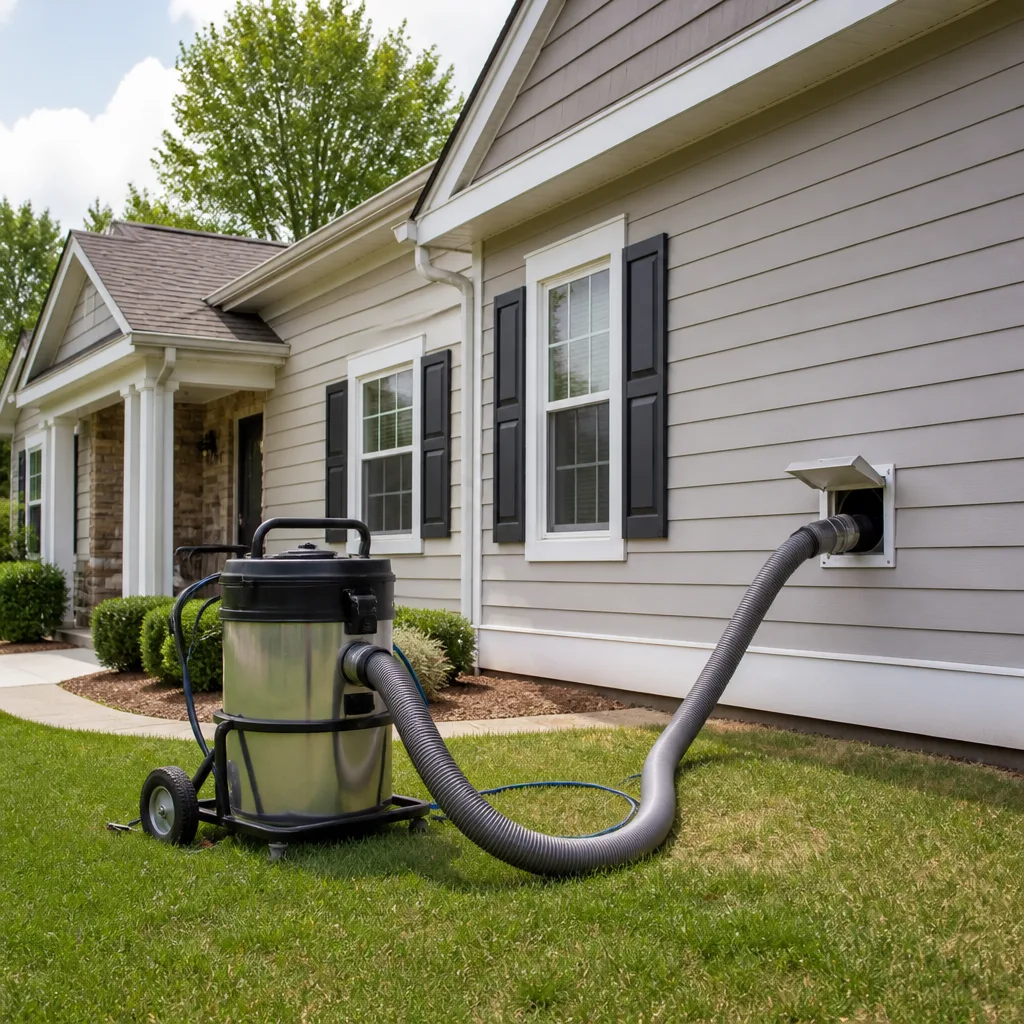 Whole-home duct cleaning
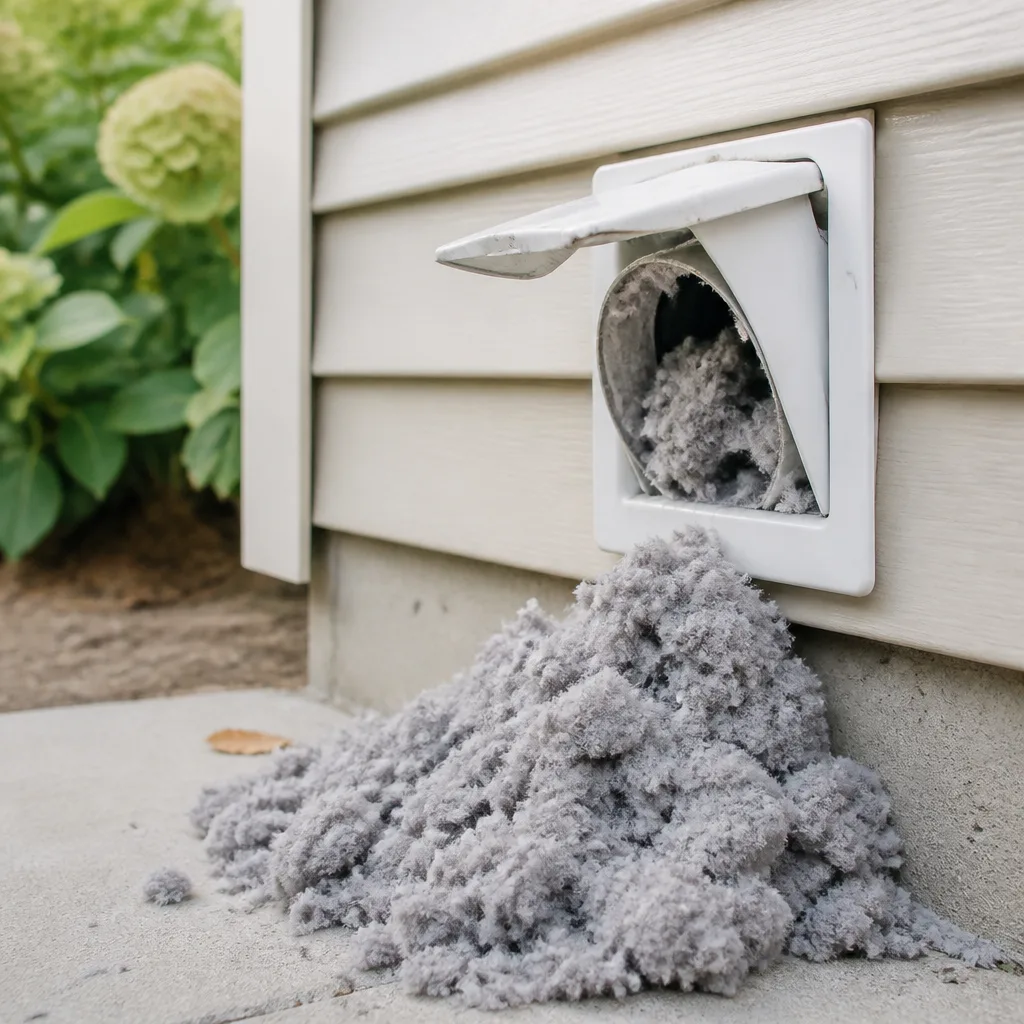 Dryer vent cleaning
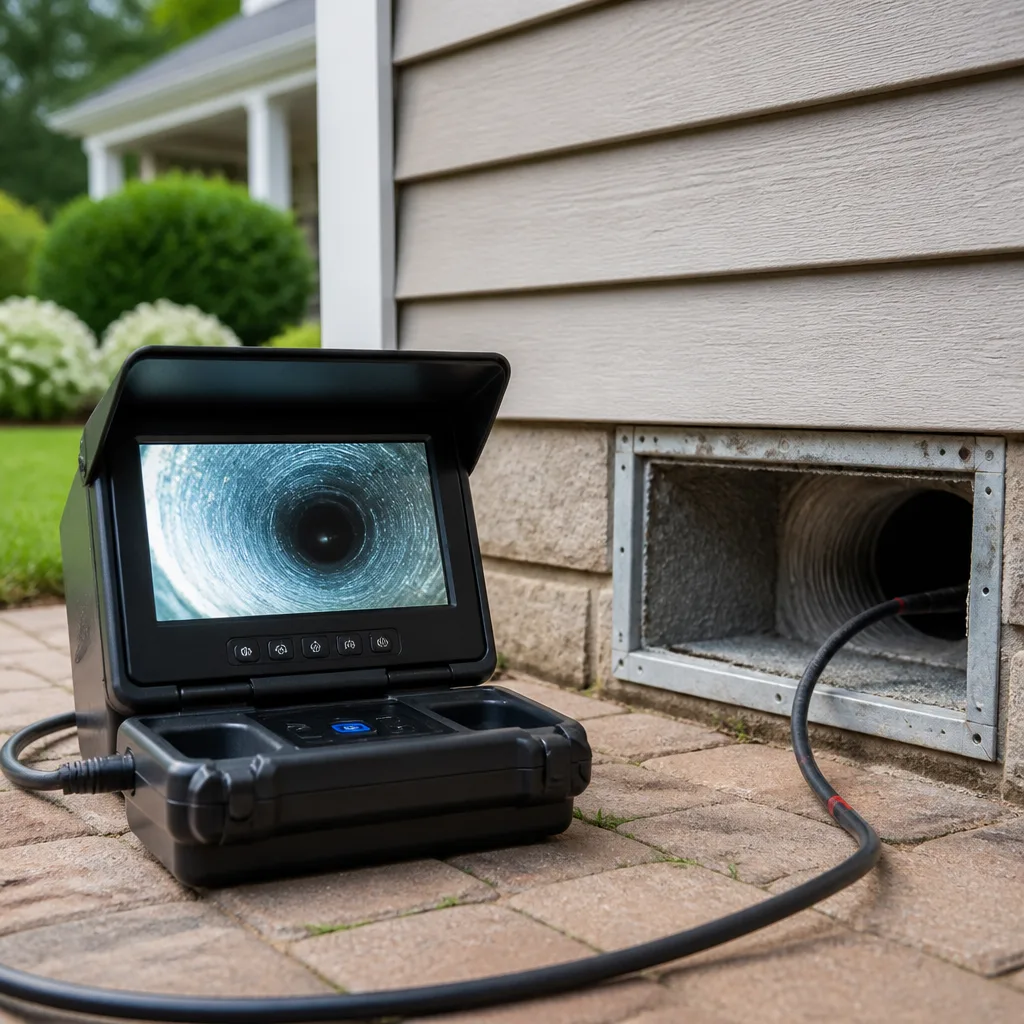 Camera inspection
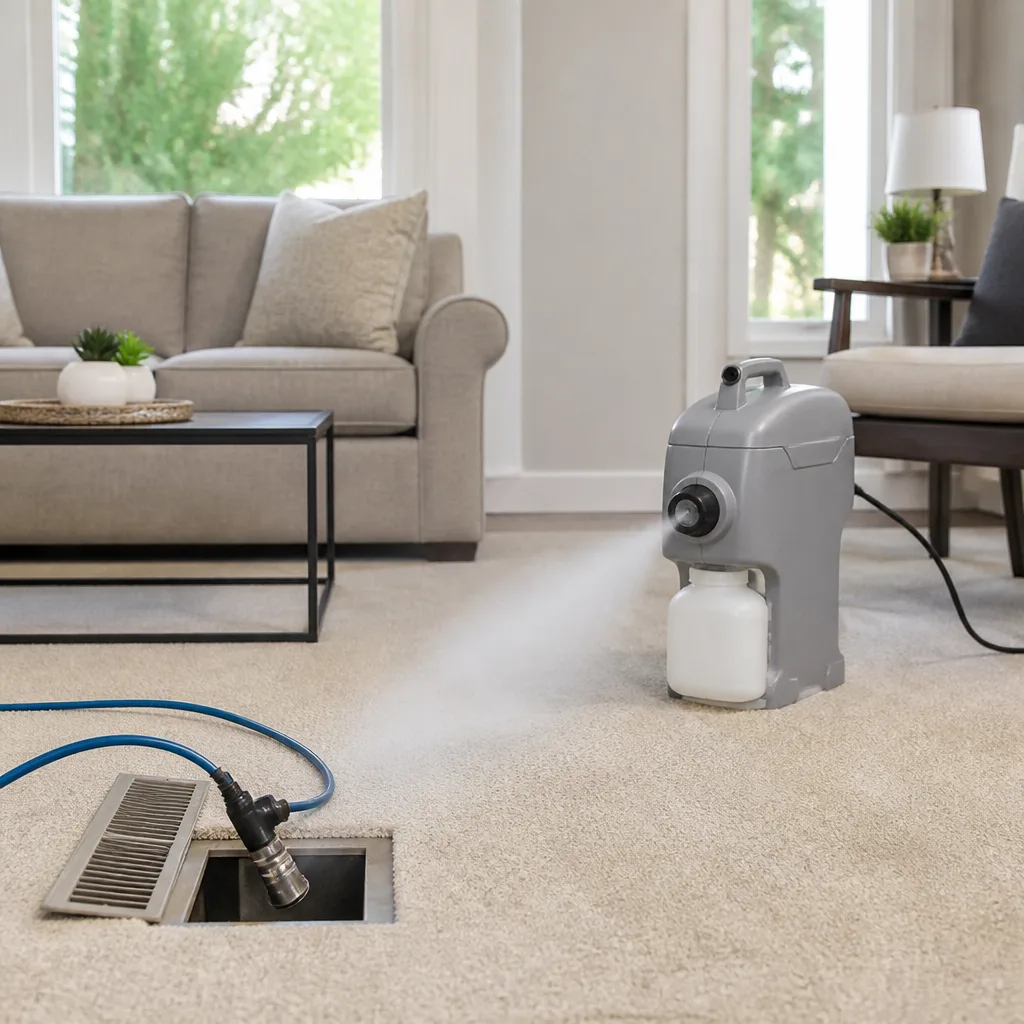 Sanitizing & deodorizing
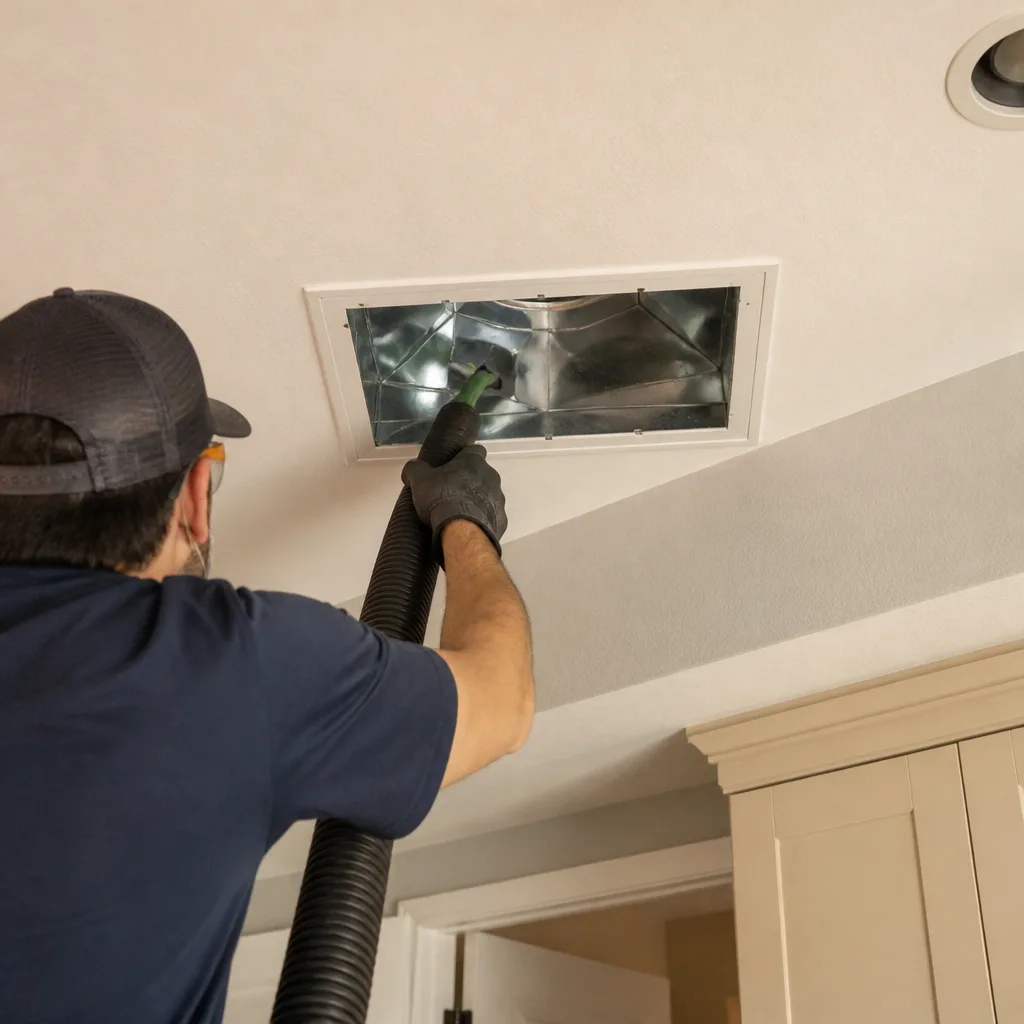
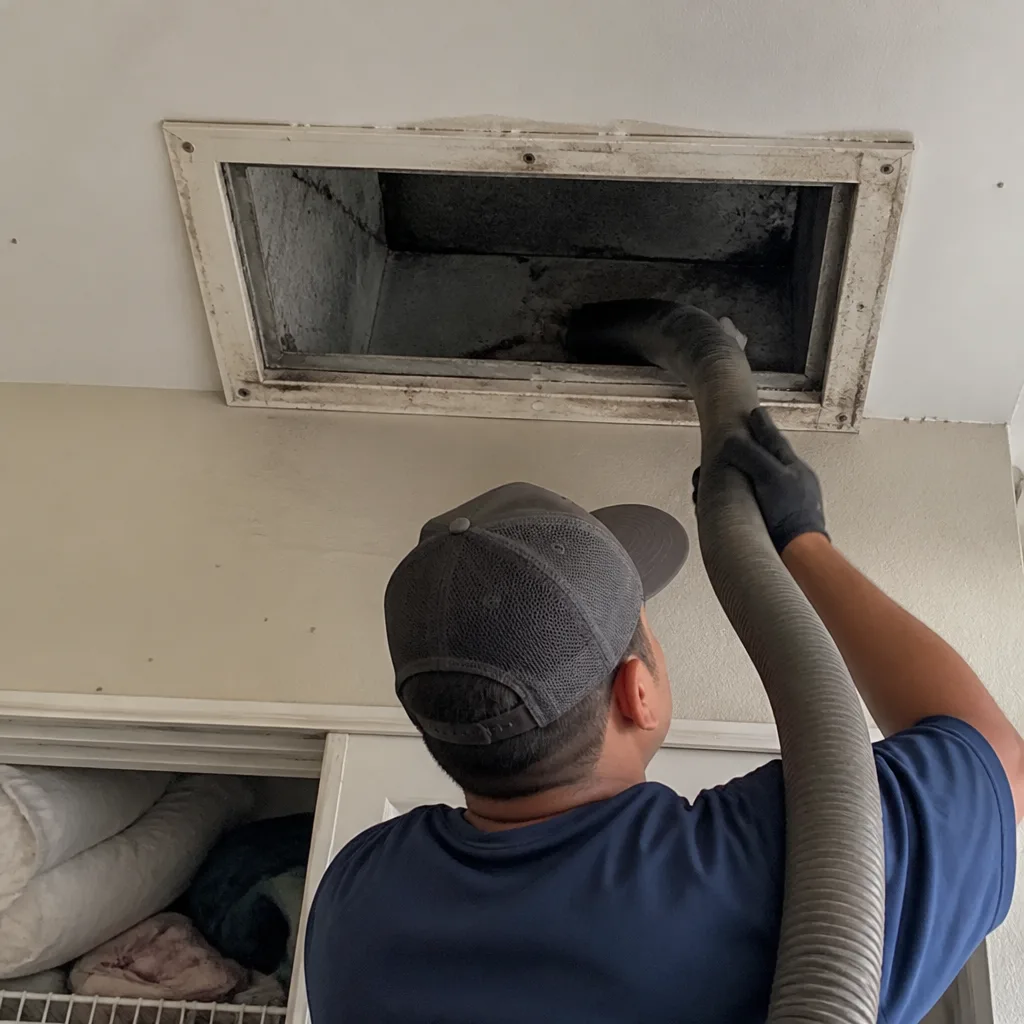
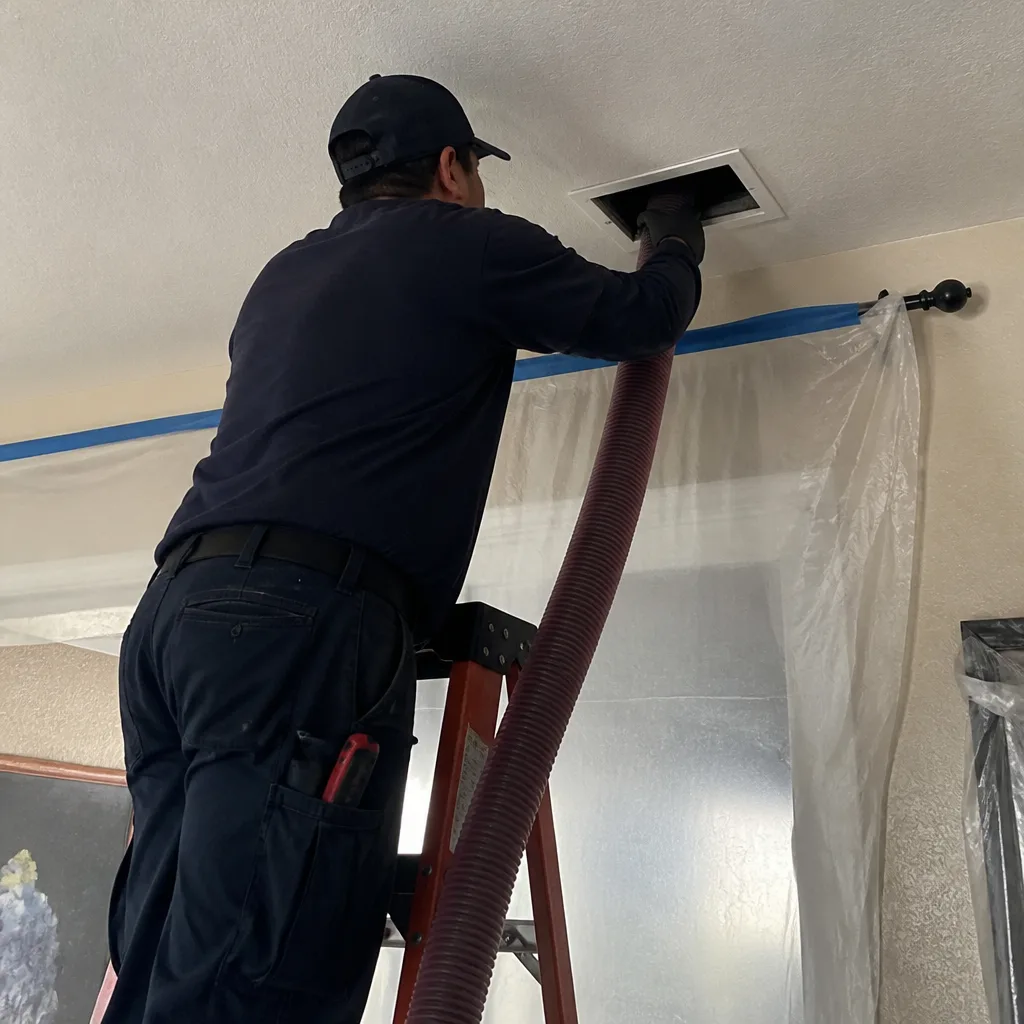
Whole-system duct and dryer vent check with before-and-after photos - you see exactly what came out of your vents
That "$99 whole-house special" is a bait ad - the real number appears once they are in your hallway, or the "clean" is a shop-vac at the register. We photograph the inside of your ducts before and after instead.
Choosing the Right Air Duct Cleaning Brand: A Buyer’s Guide for Hemet
Here’s something most homeowners never hear: there is no national brand franchise in air duct cleaning that guarantees equipment quality. A company with a nationally advertised name and a wrapped van can show up at a Hemet house with a portable consumer-grade unit that barely moves more air than a strong shop vac. Meanwhile, an independent local specialist might run truck-mounted commercial equipment that pulls thousands of cubic feet per minute through your system. The brand name on the van tells you almost nothing. The equipment inside it tells you everything. This guide will show you how to evaluate duct cleaning companies in Hemet by the only variable that actually predicts results: the tools they operate and whether those tools match what your duct system requires.
Quick Answer
The right air duct cleaning brand for your Hemet home is not a franchise name or a marketing label. It’s the company that owns and operates professional-grade equipment designed for mechanical agitation and HEPA-rated extraction, can show you the actual tools they’ll use, and offers duct repair capability so one team can fix what cleaning reveals. Before you book, verify equipment ownership, ask about vacuum CFM ratings, and confirm whether the company does camera inspection as part of the job.
Styles & brands we work with
- Whole-home duct cleaning
- Dryer vent cleaning
- Camera inspection
- Sanitizing & deodorizing
Table of Contents
- The Equipment Categories That Separate Specialists from Generalists
- Why ‘Brand’ in This Industry Is a Proxy for the Wrong Thing
- Duct Repair Capability: The Differentiator Most Buyers Miss
- How to Read Online Reviews for Duct Cleaning Companies
- Questions That Reveal Operational Seriousness
- What Hemet’s Climate Means for Your Duct System
- How to Compare Quotes Without Getting Fooled
- Common Mistakes to Avoid
The Equipment Categories That Separate Specialists from Generalists
When we talk about air duct cleaning equipment, there are three categories that matter. Understanding them will help you evaluate any company you’re considering in Hemet, whether they’re a one-person operation or a multi-crew contractor.
Truck-mounted negative air systems. This is the foundation of serious duct cleaning. A truck-mounted unit connects to your ductwork and creates negative pressure inside the system. As tools work through the ducts dislodging debris, the negative air pulls everything toward the collection point rather than letting it circulate back into your living space. The key specification here is CFM, or cubic feet per minute. A professional truck-mount typically runs 8,000 to 12,000 CFM or higher. A portable unit might manage 1,500 to 2,000 CFM. That difference is the difference between debris actually leaving your home on a trailer versus debris getting stirred up and redeposited inside the ductwork. Portable equipment has its place in tight-access commercial jobs, but for whole-home residential systems in Hemet, where dust and pollen load is significant, negative air capacity is non-negotiable.
Rotary brush contact cleaning tools. Negative air alone doesn’t clean. It just creates the airflow. You need mechanical agitation to break loose the debris that’s adhered to duct walls. This is where rotary brush systems come in. These are cable-driven brushes that spin inside the ductwork, physically scrubbing the interior surfaces while the negative air system extracts what they dislodge. A professional system uses brushes sized to the duct dimensions with properly rated drive motors. Equipment like the Rotobrush system falls into this category. The alternative approach, which you should be wary of, is the “vacuum and hope” method: a crew sticks a vacuum hose in a register and trusts airflow to do the work. Airflow alone leaves most of the adhered dust behind.
HEPA-rated extraction for remediation work. The third category matters most when there’s more than ordinary dust in the system: mold, pest debris, construction dust, or contaminant concerns. HEPA filtration captures 99.97 percent of particles at 0.3 microns. Companies that carry and operate HEPA filtration units, like Abatement Technologies equipment, are signaling they’re capable of remediation-level work, not just routine maintenance. In Hemet, where older homes sometimes have decades of accumulated dust in the ductwork and where the dry climate creates fine particulate that standard filters miss, the HEPA distinction changes what actually leaves your system.
Here’s the practical takeaway: a serious specialist owns all three categories of equipment. A generalist owns a portable vacuum and a brush. When you’re comparing companies, ask directly what system they run and what CFM rating their negative air unit delivers. Vague answers are an answer.
Why ‘Brand’ in This Industry Is a Proxy for the Wrong Thing
The title of this guide is slightly misleading, and that’s deliberate. When homeowners in Hemet search for the “best air duct cleaning brand,” they’re usually asking the wrong question. In most consumer industries, brand recognition is a reasonable shortcut for quality. In air duct cleaning, the brand on the van has almost no correlation with the equipment inside it.
There are a few reasons for this. The duct cleaning industry runs heavily on franchises and license arrangements. A national name might sell territories to independent operators who then supply their own tools. Some franchises have rigorous equipment standards. Others let operators run whatever they can afford. The same national brand might mean truck-mounted commercial gear in one city and a portable unit in another. You can’t know what any given crew carries until you ask.
What you should verify instead is more concrete:
- Equipment ownership. Does the company own their truck-mounted system, or do they rent it job by job? Ownership signals commitment, recurring investment, and equipment familiarity that changes how a crew works.
- Technician training. Not just “background checked” but actually trained on the specific equipment they operate. A technician who has run the same Rotobrush or Nikro system for years will produce different results than someone learning on your job.
- Local service history. How long have they been cleaning ducts in Hemet specifically? A company that’s worked in Duct Cleaning Hemet home territory for any length of time has encountered the specific dust types, duct configurations, and access challenges of this area’s housing stock.
Equipment brands that do matter in this industry are the manufacturers, not the service franchises. Names like Nikro, which makes HEPA-rated vacuum equipment used in certified duct cleaning protocols, and Rotobrush, which makes rotary brush agitation systems, are meaningful signals. They indicate a company invested in purpose-built tools designed specifically for ductwork, not improvised equipment. The distinction hinges on this: an improvised setup built from a portable vacuum and hardware-store brushes might look similar to a homeowner, but it moves less air, agitates less effectively, and leaves more debris in the system. A purpose-built system is engineered for the specific physics of ductwork.
We’ve seen the difference in Hemet homes. Systems cleaned with professional-grade rotary brush equipment and strong negative air show visibly cleaner duct interiors on camera inspection. Systems “cleaned” with portable equipment often look barely touched. The equipment determines the outcome, not the name painted on the side of the vehicle.
Duct Repair Capability: The Differentiator Most Buyers Miss
Here’s a scenario that plays out constantly in Hemet. A homeowner books a duct cleaning. The crew does a decent job. During the work or during a post-clean inspection, they notice a disconnected section of duct in the attic, or a collapsed flex duct, or a register boot that’s separated from the floor. Now what?
If the company is cleaning-only, the answer is: they tell you to call an HVAC contractor. You now have a second service visit, a second diagnostic, a second invoice. The disconnected duct that’s been leaking conditioned air into your attic for months or years keeps leaking until you schedule another company. You’ve paid for a clean system that is still operating inefficiently because the cleaning provider couldn’t address what they found.
This is why Air Duct Repair in Hemet capability matters as a buying criterion. A company that offers air duct repair alongside cleaning can handle both jobs in one visit. More importantly, their technicians are looking at ductwork differently. A cleaning-only technician might not even flag a section of damaged duct because addressing it isn’t in their scope. A technician who repairs ductwork is trained to evaluate the entire system: connections, insulation, integrity of the duct runs, not just the dust inside them.
When evaluating companies, ask this question directly: “If you find damaged or disconnected ductwork during the cleaning, what happens next?” A cleaning-only company will say they’ll let you know and you’ll need to call someone else. A full-service provider will say they can quote the repair and complete it. The difference in value is substantial.
At Duct Cleaning Hemet home, we clean and we repair, because one without the other leaves work unfinished. The phrase we use internally is simple: we repair what others only clean around. It’s a different standard of thoroughness, and it’s the standard Hemet homeowners should be asking for.
How to Read Online Reviews for Duct Cleaning Companies
Review platforms are part of every buying decision now, but reviews for duct cleaning companies require a specific kind of reading. The generic five-star review that says “crew showed up on time, polite, did a good job” is nearly worthless. That describes basic professionalism, not technical competence. A crew can be punctual, friendly, and ineffective.
What you’re looking for in reviews are specific technical details. Here’s how to separate signal from noise:
- Look for equipment mentions. Reviews that mention specific tools or systems, like “they ran a big truck-mounted unit” or “the tech showed me the brushes before they started,” indicate a reviewer who actually observed the work and a company that’s transparent about equipment.
- Look for process descriptions. Did the reviewer mention camera inspection? Did they describe negative air being set up? Did they mention covers being placed over vents? These details suggest the company follows a professional protocol rather than an improvised process.
- Look for outcome specifics. “Air feels different” is vague. “The dust that used to settle on our dresser two days after cleaning stopped appearing” is an outcome. “My allergies improved noticeably within a week” is an outcome. Specific, verifiable results tell you the cleaning actually accomplished something.
- Look for complaint patterns. If multiple reviews mention pricing changes mid-job, that’s a red flag. If multiple reviews mention the crew being done in less than an hour for a whole-house cleaning, that’s a red flag. Real duct cleaning on a typical Hemet home takes hours, not minutes.
- Check review context. A company with 50 reviews over five years in Hemet is different from a company with 500 reviews in six months. The pattern of review accumulation can tell you whether those reviews are organic or incentivized.
One more thing: the absence of detailed reviews isn’t necessarily a dealbreaker for a specific company. Many satisfied customers write short, generic reviews. But if you’re comparing two companies and one has reviews rich with technical detail while the other has only “nice crew, on time,” that’s information. Choose accordingly.
Questions That Reveal Operational Seriousness
The fastest way to cut through marketing language is to ask questions that a serious operator answers easily and a lightweight operation fumbles. Here are the questions that reveal the most in a short phone call:
- “Do you own your truck-mounted system?” If the answer is a confident yes with a brand name, that’s a professional operator. If the answer hedges or mentions renting, proceed with caution.
- “What’s the CFM rating on your negative air unit?” This number should roll off the tongue. If the person on the phone doesn’t know what CFM means, you’re not talking to a specialist. You’re talking to a scheduler at a generalist company.
- “Do you do camera inspection before or after the job?” Camera inspection is how a company documents what’s in your ducts and what they removed. Companies that skip it can’t show you the work. Companies that do it can hand you before-and-after footage of your own system.
- “What happens if you find damaged ductwork during cleaning?” This separates cleaning-only providers from full-service providers. We covered this above, but it belongs on any call. Listen for a clear answer about repair capability.
- “What equipment will actually be used on my job?” Not “what equipment does your company have” but what will be on the truck when they arrive at your specific home. The distinction matters. Some companies advertise equipment they rarely operate.
At Air Duct Cleaning in Hemet, these are questions we answer directly and specifically. We run Rotobrush rotary brush systems for mechanical agitation. We use Nikro HEPA-rated vacuum equipment for extraction. We carry Abatement Technologies filtration units for contaminant control. And we document the work so you can see what was in your ducts and what’s been removed.
What Hemet’s Climate Means for Your Duct System
Hemet sits in the San Jacinto Valley, and its climate shapes how duct systems get dirty and how they should be cleaned. This matters when you’re evaluating companies, because a company that understands local conditions cleans differently than one applying a generic national playbook.
Hemet summers are hot and dry. Temperatures routinely exceed 95 degrees from June through September, and humidity stays low. That means two things for ductwork. First, HVAC systems in Hemet run hard for months at a time, pulling high volumes of air through the ducts. That heavy runtime means more total particulates moving through the system each year. Second, the dry climate creates fine, powdery dust that behaves differently from the humid-climate dust that clumps and sticks. Fine dust requires stronger filtration and more careful extraction because it stays airborne longer and infiltrates deeper into duct surfaces and insulation.
Hemet’s residential stock also has particular characteristics. Many homes in the area were built during the valley’s growth periods in the 1970s through the 1990s, and a significant portion have flexible duct runs in attics. Attic temperatures in Hemet summers routinely reach 130 degrees or higher. Over years of heat exposure, flex duct degrades: the outer vapor barrier can crack, inner liners can separate, and connections can pull loose. The result is leaking ducts that lose conditioned air into a 130-degree attic while pulling dusty attic air into the living space.
This is why a cleaning-only approach is genuinely incomplete for many Hemet homes. The dust in the ducts is only part of the problem. The condition of the ductwork itself matters equally. Companies that offer air duct repair alongside cleaning are addressing the actual condition of the system, not just the symptom of accumulated dust.
And one more Hemet-specific consideration: dryer vents. The San Jacinto Valley’s fine dust means lint plus fine particulate accumulates in dryer exhaust runs more quickly than in coastal climates. A blocked dryer vent is the top cause of house fires originating from dryers. Dryer Vent Cleaning in Hemet is a distinct safety service, not an add-on to duct cleaning. It operates on different equipment and different intervals. A full-service provider should offer it as a standalone service with its own process.
How to Compare Quotes Without Getting Fooled
Duct cleaning pricing in Hemet varies significantly, and the variation often tracks equipment quality and service scope rather than greed. A company running a truck-mounted negative air system with rotary brush agitation has higher operating costs than one running a portable unit. Their quote will be higher. That’s not overpricing. That’s the cost of doing the work correctly.
Here’s how to compare quotes without getting fooled by either the lowball or the inflated number:
- Ask what the quote includes. Does the price cover all supply and return ducts, or just the accessible portion of the main trunk? Does it include the return air plenum? The air handler? The register boots? Some low quotes exclude significant portions of the system.
- Ask about the cleaning method. A quote for “vacuum sweep” cleaning, which is the industry term for a portable vacuum pushed through the ducts, should cost less than a quote for negative-air mechanical agitation cleaning. If both quotes are similar and one company is running truck-mounted equipment while the other isn’t, something is off.
- Ask about pricing structure. Is the price per vent or per system? Per-system pricing with an agreed flat rate before work starts is the industry standard for professional providers. Per-vent pricing invites mid-job scope expansion.
- Ask what happens with accessories. If you have a zoned system, multiple air handlers, or atypical duct runs, confirm whether those are included. Homes in Hemet with add-on rooms or converted garages often have non-standard duct configurations that some companies price as extras.
- Check whether repair is included in scope. Not included in price, but included in capability. A company that can quote repair work during the cleaning visit saves you a second diagnostic fee from an HVAC contractor.
Fireplaces in the Hemet area can also affect indoor air quality, and some companies will use air quality testing as a sales tool. There’s nothing wrong with testing, but understand what you’re paying for. A professional duct cleaning company should be able to clean without requiring an upfront paid inspection, and should offer camera inspection as part of the service, not as a separately billed add-on.
Common Mistakes to Avoid
- Choosing based on the brand name on the van. As we’ve covered, national duct cleaning franchise names don’t guarantee equipment quality. The same franchise in different cities can operate wildly different equipment. Verify what’s on the truck, not what’s on the wrap.
- Accepting a quote without the system scope in writing. If the quote just says “whole home duct cleaning” with no specification of which runs are included, the scope is whatever the crew decides it is that day. Get the scope itemized before you book.
- Assuming all cleaning methods are equal. Vacuum sweep and negative-air mechanical agitation are different procedures with different outcomes. A lower price for a lesser method isn’t a deal; it’s a different service for less money.
- Skipping the repair question. If you don’t ask what happens when damaged ductwork is found, you should assume the company doesn’t address it. In Hemet’s attic-heat environment, damaged flex duct is common. You want both capabilities in one company.
- Treating dryer vent cleaning as an optional add-on. It’s a separate service with separate safety implications. If you book duct cleaning only and ignore the dryer vent, you’ve addressed air quality but not fire risk. Both matter.
- Failing to request before-and-after documentation. A professional company can show you what was in your ducts and what they removed. If a company can’t or won’t provide camera documentation, you’re being asked to trust an outcome you can’t verify.
- Choosing the cheapest quote. In Hemet, duct cleaning quotes that are dramatically lower than the market usually mean portable equipment, abbreviated scope, or a crew that’s done in under an hour. The work won’t match what you actually need.
See the difference
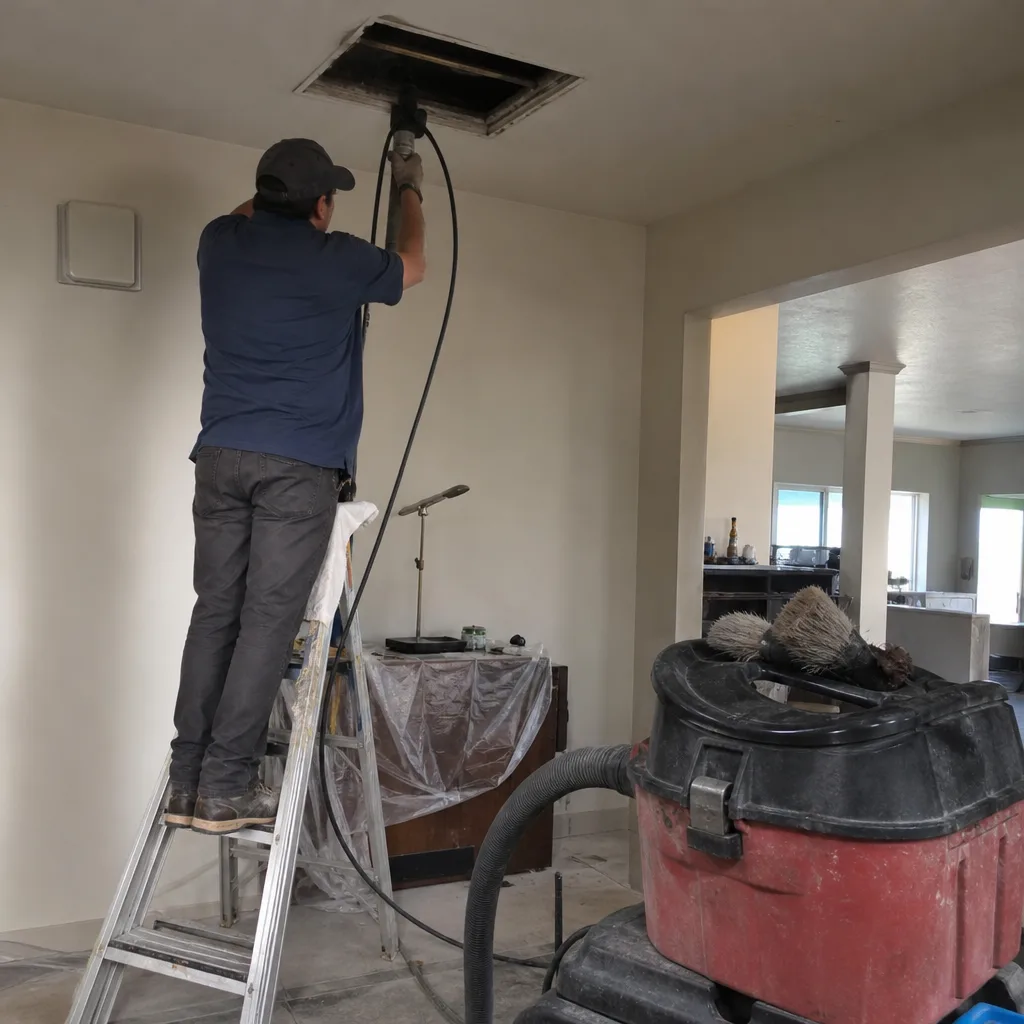 Before
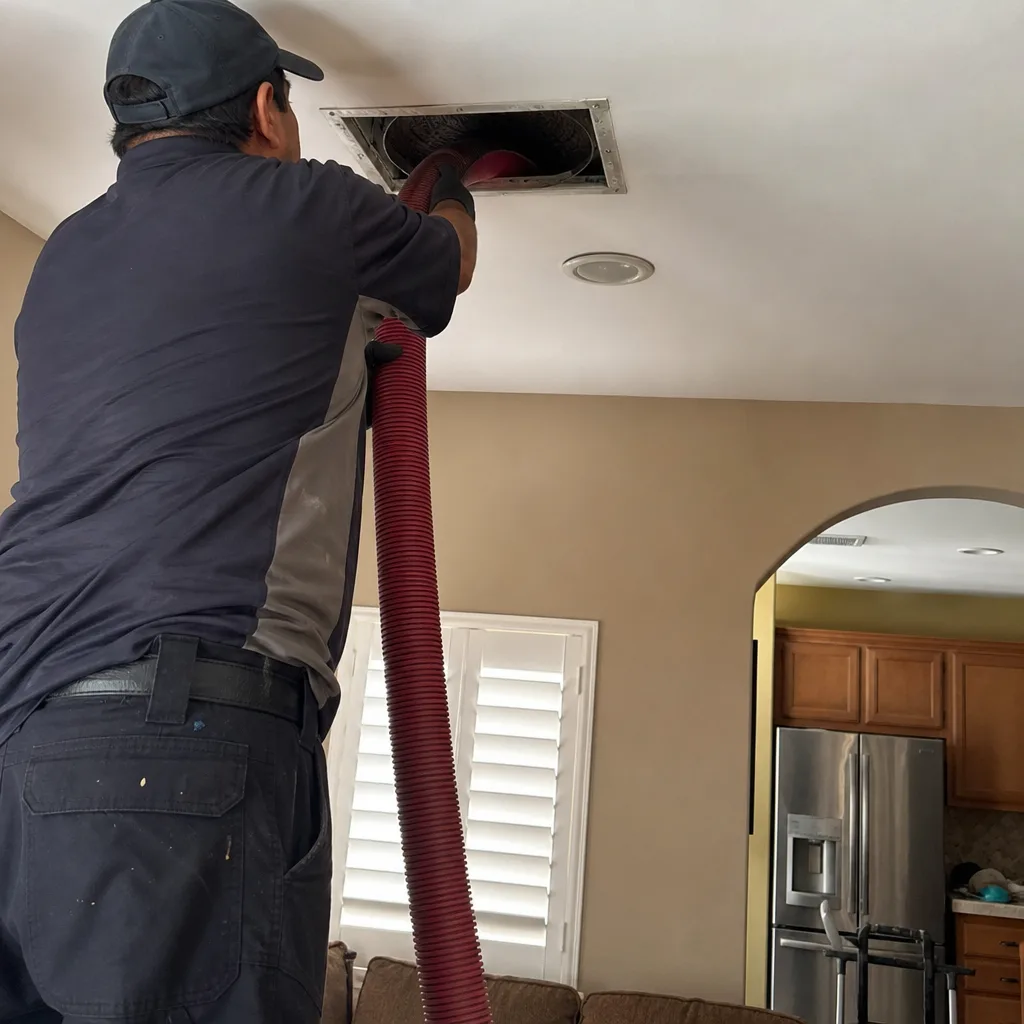 After
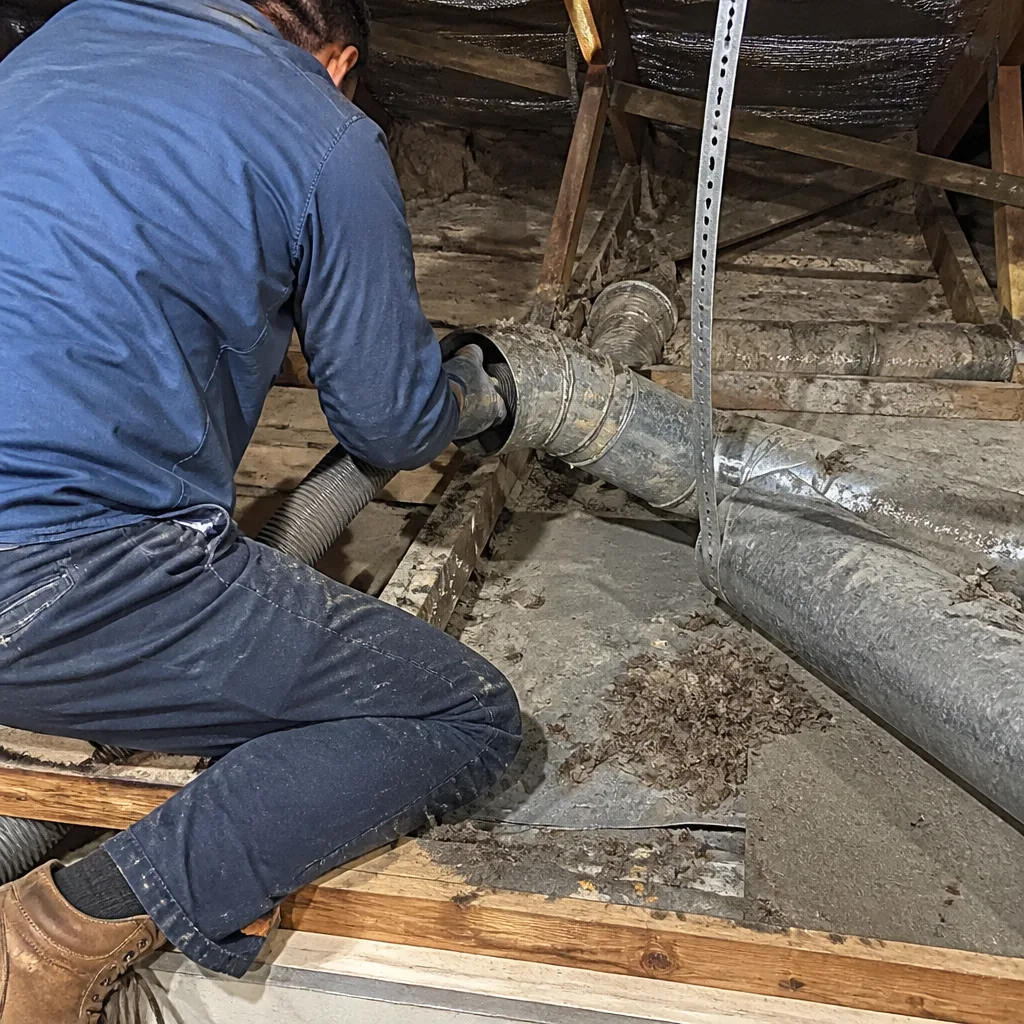 Before
 After
 Before
 After
When to Call a Professional
Duct cleaning is not a DIY project, and proper equipment matters for both effectiveness and safety. If you’ve noticed visible dust accumulating on surfaces shortly after cleaning, persistent musty or stale smells when the HVAC runs, evidence of rodents or pest activity in the attic, or if your system has never been cleaned in the home’s lifetime, it’s time. If you’ve recently completed a renovation that generated drywall dust or construction debris, the system likely needs professional attention before you start breathing that particulate through your vents. If anyone in the Hemet home has asthma, allergies, or respiratory sensitivity, cleaner ducts can reduce airborne irritants, but only when the cleaning is done with true extraction equipment rather than a re-circulating vacuum. Duct Cleaning Hemet offers free estimates in Hemet. Call (877) 752-8890 to schedule an evaluation.
Frequently Asked Questions
Air duct cleaning in Hemet typically ranges from $350 to $700 for a standard single-system home, with larger homes, multiple HVAC systems, or heavily soiled ductwork running higher. The cost depends more on equipment type and system complexity than on square footage alone. Call (877) 752-8890 for an exact quote on your home. Estimates are free.
The only reliable way to know the work was done is camera documentation. A professional duct cleaning company performs camera inspection before and after the cleaning, showing you the condition of your duct interiors at both points. If a company cannot provide visual proof of the work, you’re being asked to trust an outcome you can’t verify.
Cheaper quotes usually mean portable equipment instead of truck-mounted negative air systems, abbreviated scope that excludes portions of the ductwork, or crews that move too quickly to perform thorough mechanical agitation. The lower price often corresponds to a different method and a different outcome, not simply a better deal on the same service.
For most Hemet homes, every 3 to 5 years is a reasonable interval, but it varies by household. Homes with pets, smokers, recent construction work, or occupants with respiratory conditions may benefit from shorter intervals. Homes with poorly sealed ductwork pulling attic air into the system will accumulate dust faster regardless of cleaning frequency.
Yes, that’s exactly what a full-service provider should be able to do. At Duct Cleaning Hemet, our technicians evaluate the entire system during cleaning and can quote and complete air duct repair work on the same visit when damage or disconnections are found. That means one team, one visit, one scope of work.
Hemet’s hot, dry summers mean HVAC systems run heavily for months, pulling more total particulate through the ductwork each year than systems in milder climates. The fine, dry dust common in the San Jacinto Valley also behaves differently from humid-climate dust, staying airborne longer and penetrating duct surfaces more deeply. Regular cleaning matters more in this environment.
The Bottom Line
The right air duct cleaning choice for a Hemet home comes down to equipment, scope, and capability. Verify that the company operates truck-mounted negative air systems with rotary brush agitation. Confirm they use HEPA-rated extraction rather than standard vacuum filtration. Ensure they own their equipment and can demonstrate it. Ask about repair capability so damaged ductwork gets addressed in the same visit rather than deferred to a second contractor. Look for reviews that document technical specifics, not just polite crews. And in Hemet specifically, remember that the climate accelerates both dust accumulation and duct degradation, making a full-service provider more valuable than a cleaning-only shop. All three services, air duct cleaning, dryer vent cleaning, and air duct repair, are available from Duct Cleaning Hemet under one roof. Call (877) 752-8890 for a free estimate.
Written by the team at Duct Cleaning Hemet, serving Hemet since 2013.